2 daysFrom US$1,100
Tarangire, Ngorongoro
Safari for Zanzibar Guests
Fly in from Zanzibar, see Tarangire's elephants and the Ngorongoro Crater, and be back on the beach the next evening.
US$1,100 per personView details
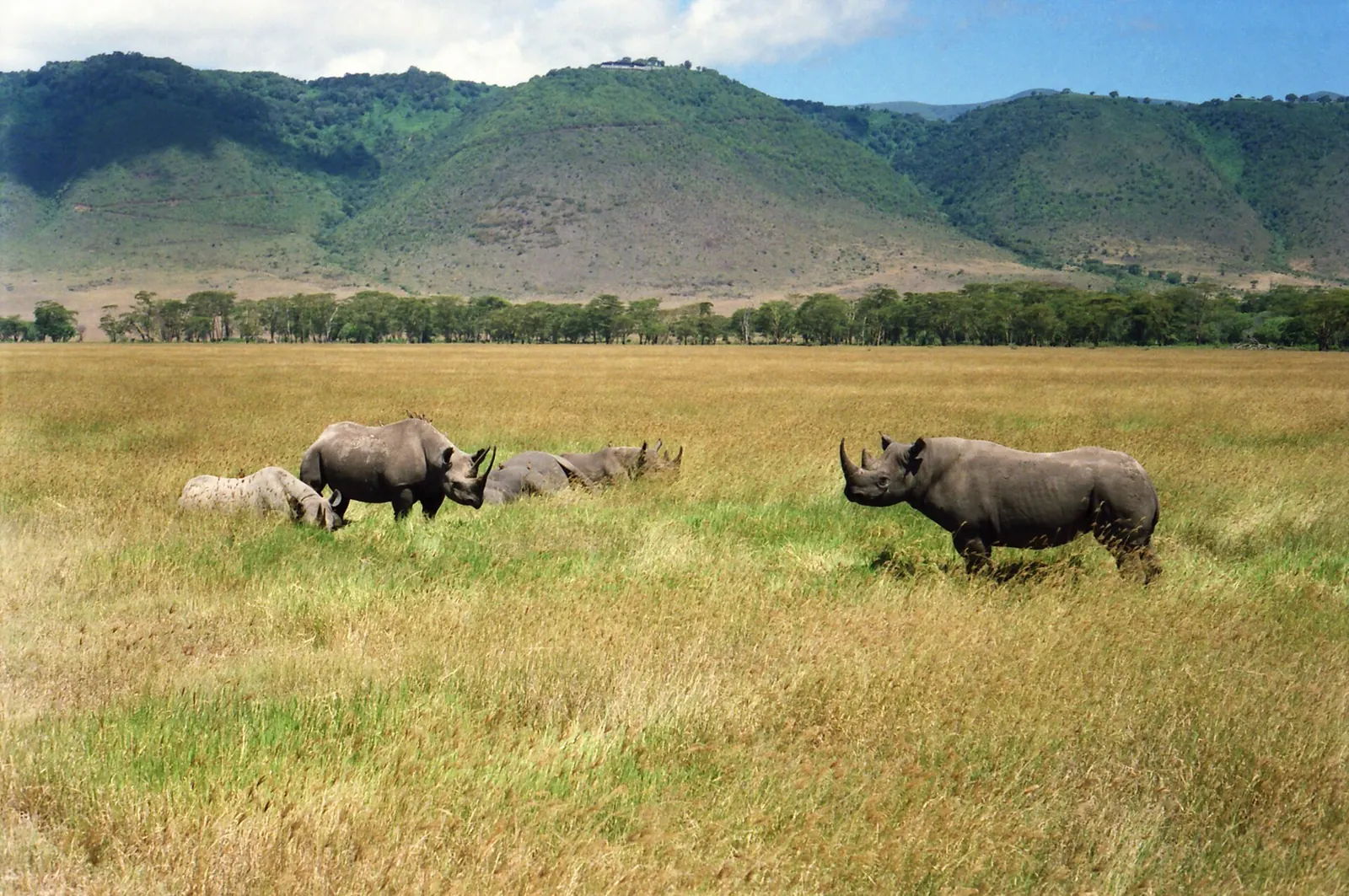
A spectacular volcanic caldera alive with wildlife.
Descend into the world's largest intact volcanic caldera for concentrated game viewing framed by forested crater walls.
The Ngorongoro Crater is a collapsed volcano roughly 20 kilometres across, with walls rising about 600 metres from the floor. Grassland, acacia woodland, soda lake and freshwater springs support an extraordinary density of wildlife, all within a single game drive.
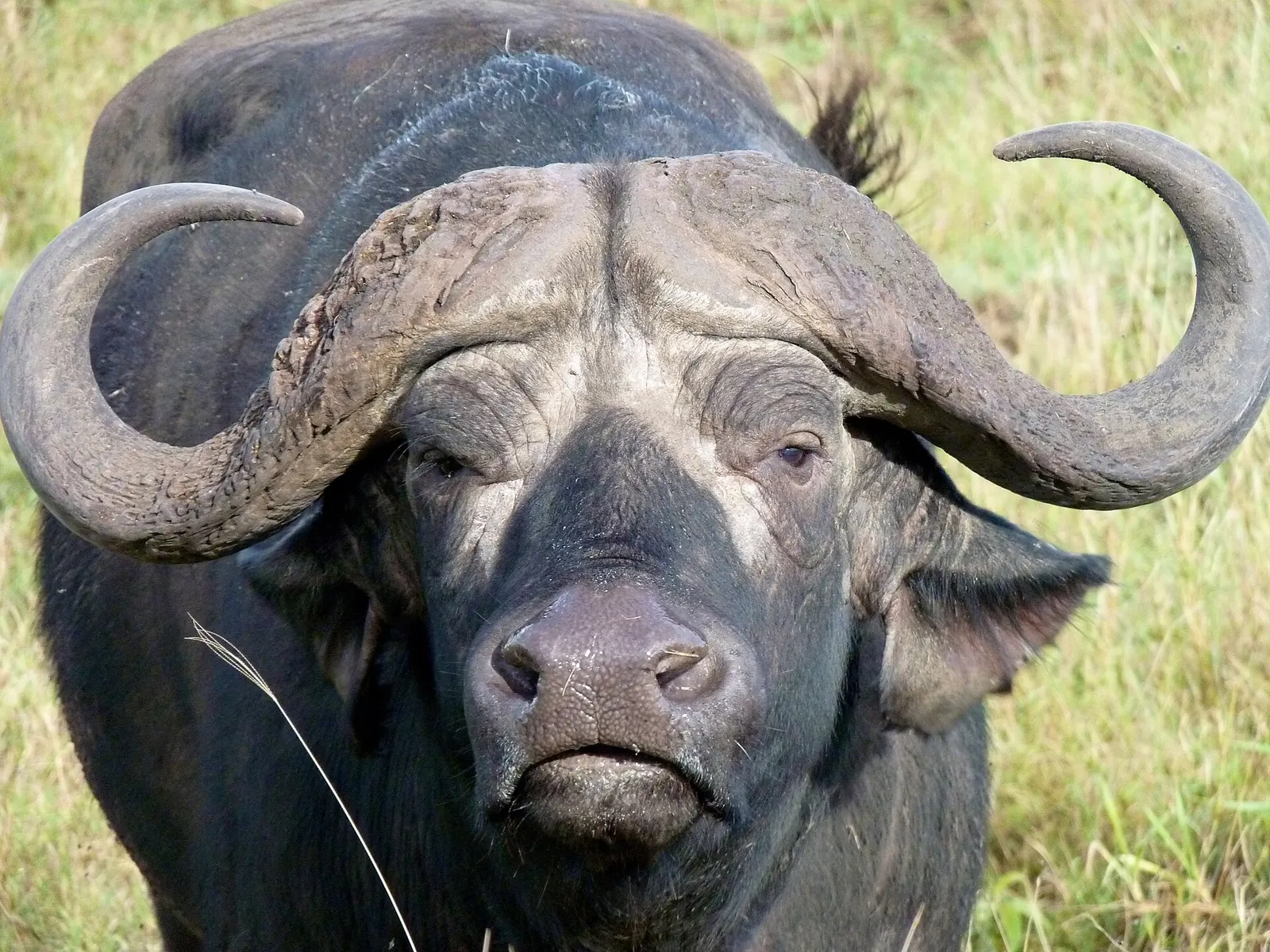
It is one of the best places in Tanzania to see the endangered black rhino, along with lion, buffalo, elephant, hippo and flamingo. The wider Ngorongoro Conservation Area is also home to Maasai communities, Olduvai Gorge and the highland forests on the crater rim.
Crater visits follow park rules on timing, so we plan an early descent for the quietest hours and the best light, then a picnic lunch by the hippo pool.

Ngorongoro is about three to four hours' drive from Arusha on tarred road via Mto wa Mbu and Karatu. It sits naturally between Tarangire or Lake Manyara and the Serengeti on a northern circuit route.
Lion, buffalo, elephant and black rhino are regularly seen on the crater floor. Leopard is present but more often found in the forested rim and the Serengeti, so it is never guaranteed.
Park rules allow a limited time on the crater floor, usually around six hours. Most of our travellers find a half-day to full-day descent ideal.
Fly in from Zanzibar, see Tarangire's elephants and the Ngorongoro Crater, and be back on the beach the next evening.
Three of Tanzania's most fascinating parks in three days: elephants, the crater and tree-climbing lions.
The Big Five in the Serengeti and the crater, with a Maasai village and a morning with the Hadzabe hunter-gatherers.